Drone Delivery Guidelines
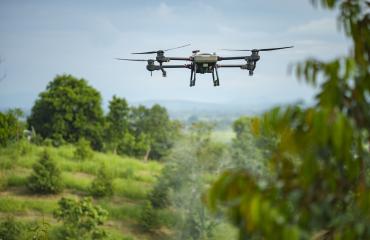

An Infrastructure Planning Framework was developed as a guide for planning for drone delivery services using small sized drones (less than 25kg). Further information is available at Infrastructure Planning Framework | Drones.
Other use cases:
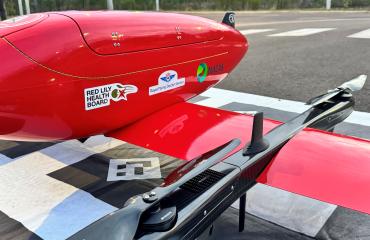
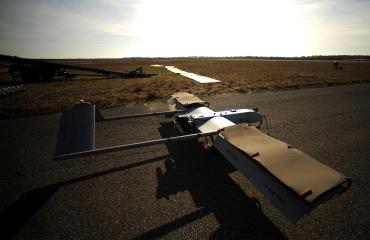
On 12 November 2025, in an Australian-first, Charles Darwin University’s (CDU) North Australia Centre for Autonomous Systems delivered essential medication via drone to a remote community in West Arnhem in the Northern Territory (NT). The medications were used to treat sepsis, heart conditions, and anaphylactic shock.
Supported under Round One of the Australian Government’s Emerging Aviation Technology Partnerships (EATP) Program, the CDU team established capability to deliver health-related items using drones between Jabiru and Gunbalunya. Regulatory approval to fly beyond visual line-of-sight was provided by the Civil Aviation Safety Authority.
This remote drone health care capability is essential to provide urgent medical care to remote communities, particularly when isolated by flooding during the wet season. The delivery between health centres took 32 minutes, ensuring the patient received lifesaving treatment before they were airlifted 280km to Royal Darwin Hospital.
Funding under the EATP program has been critical to help build health care supply chain resilience in the NT over the past three years, with drones playing an increasingly important role. The EATP program also supports industry to navigate complex regulatory approvals required to enable life-saving aeromedical operations in regional and remote Australia.
YouTube - First remote community medical drop by drone (East Alligator Medical Airbridge, NT)
YouTube - EATP program - UAS operations for local (NT) community members


 News and announcements
 CASA Safety Rules
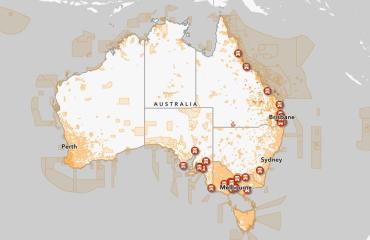
  Drone Data Map